
Protect Your Home with a Sound Chimney
Chimney Construction and Repair in Newcastle for properties facing structural damage, draft failures, or code compliance issues
Doug Meyer constructs and repairs chimneys to ensure safe ventilation and long-term structural integrity for your fireplace or heating appliance. You may notice water stains on the ceiling near the chimney, pieces of brick or mortar in the firebox after a storm, or smoke entering the house instead of venting outdoors, all signs that your chimney has developed cracks, missing flashing, or a deteriorated flue liner that allows combustion gases to escape into living spaces. New construction involves building a full masonry chimney from the foundation up, sizing the flue to match your appliance, and installing a cap and cricket to prevent water infiltration and ice damming.
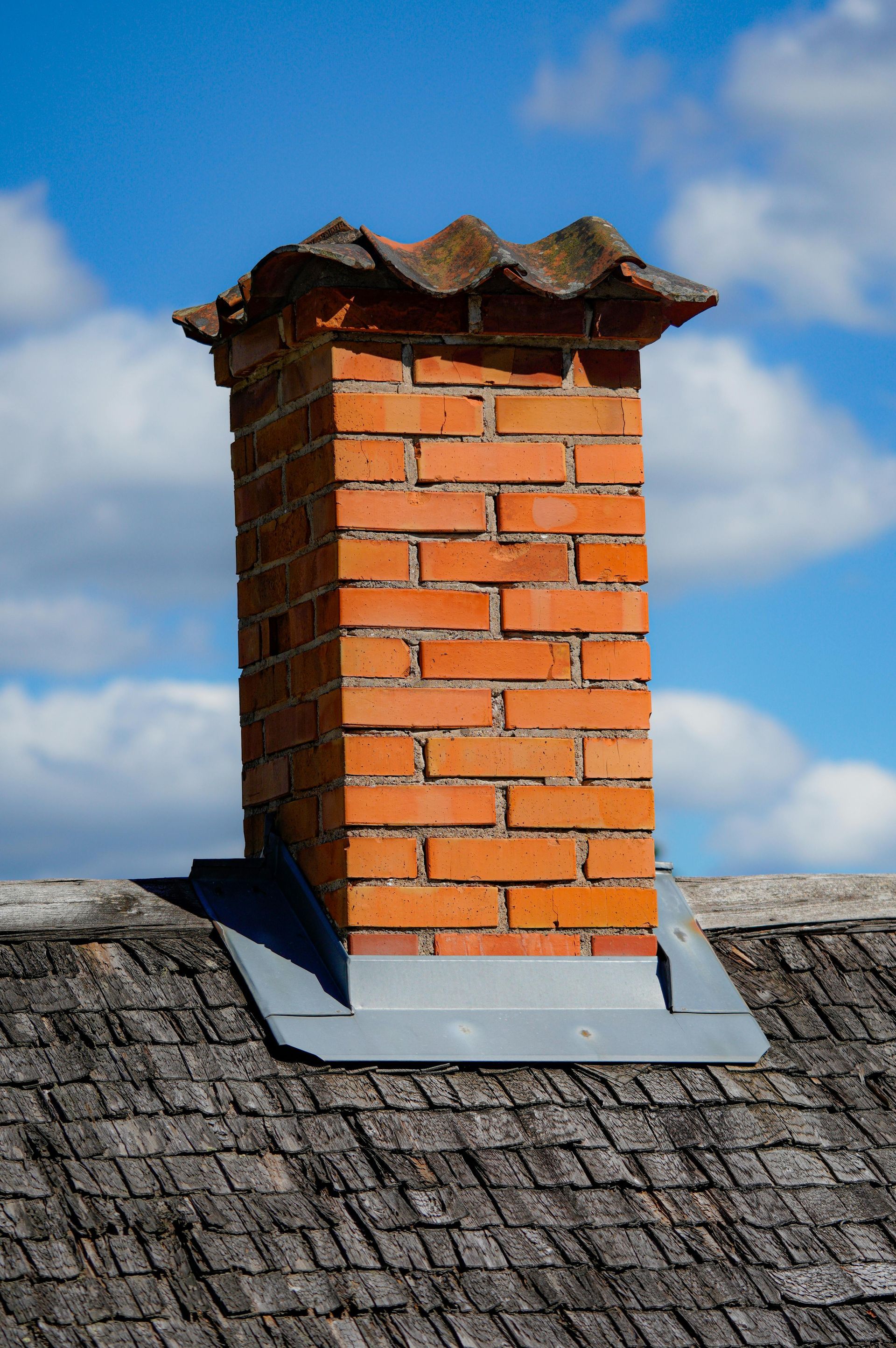
Repair work addresses cracked crowns, spalling brick caused by freeze-thaw cycles, and failed mortar joints that allow moisture to penetrate the masonry and accelerate decay. Oklahoma's weather patterns, including sudden temperature swings and occasional ice storms, contribute to chimney wear over time as water enters small cracks, freezes, and expands the damage. Doug Meyer rebuilds deteriorated sections, repoints joints with fresh mortar, and installs stainless steel liners when clay tiles are broken or missing, restoring the chimney's ability to contain heat and exhaust safely.
If you see visible damage on the exterior of your chimney or your fireplace no longer draws properly, schedule an inspection to identify the extent of needed repairs before the problem worsens and affects your home's safety.
Construction Methods and Common Repair Scenarios
You begin with a structural assessment to determine whether the chimney requires partial repointing, full rebuilding above the roofline, or installation of a new liner to meet current venting standards. Doug Meyer removes damaged brick and mortar, cleans the joints, and rebuilds the chimney using materials that match the existing masonry in color and texture. The crown is poured with a slight slope to shed water away from the flue opening, and counter-flashing is installed to seal the joint where the chimney meets the roof.
After repair, you will see a chimney that stands plumb without leaning, sheds water without streaking down the siding, and vents smoke completely without back-drafting into the house. The flue liner will be intact from top to bottom, preventing heat transfer to combustible framing and ensuring compliance with fire safety codes. Doug Meyer installs a chimney cap with a spark arrestor screen to keep out rain, birds, and wind-blown debris that can block the flue and create dangerous carbon monoxide buildup indoors.
The work includes masonry repairs, flue liner installation, and flashing replacement, but does not cover appliance upgrades, damper installation, or modifications to the firebox itself, which are separate scopes if your heating system requires additional changes to function safely with the repaired chimney.
Understanding Chimney Problems and Repair Needs
Homeowners often ask how to tell the difference between minor weathering and serious structural issues that require immediate attention to prevent further damage or safety hazards.
What causes a chimney to lean or tilt away from the house?
Settling foundations, deteriorated footings, and frost heave can shift the chimney over time, creating gaps between the chimney and the structure that allow water entry and compromise stability, requiring rebuilding or reinforcement to correct.
How do you know if the flue liner is cracked?
A video inspection reveals cracks and missing tile sections inside the flue, but you may also notice pieces of clay tile in the firebox, white staining on the chimney exterior from escaping moisture, or smoke odors in upstairs rooms during fireplace use.
Why does water leak into the house around the chimney?
Failed flashing, a cracked crown, or missing mortar joints allow water to enter the chimney structure and travel along the masonry into the attic or walls, causing stains, mold growth, and wood rot if not repaired promptly.
Can a chimney be repaired in sections or does it need full replacement?
Minor spalling and joint deterioration can be repointed and patched, but if more than a third of the chimney is damaged or the flue liner has collapsed, rebuilding the affected sections or the entire chimney above the roofline is often the safer and more cost-effective approach.
What building codes apply to chimney construction in Newcastle?
Chimneys must extend at least three feet above the roof penetration and two feet above any roof surface within ten feet, with proper clearances to combustibles and a liner rated for the type of fuel being burned, whether wood, gas, or oil.
Doug Meyer addresses chimney problems with thorough repair work and solid construction practices that restore safety and prevent recurring issues. Contact the office to schedule an inspection and receive a detailed assessment of the work required to bring your chimney back to safe, reliable operation.