
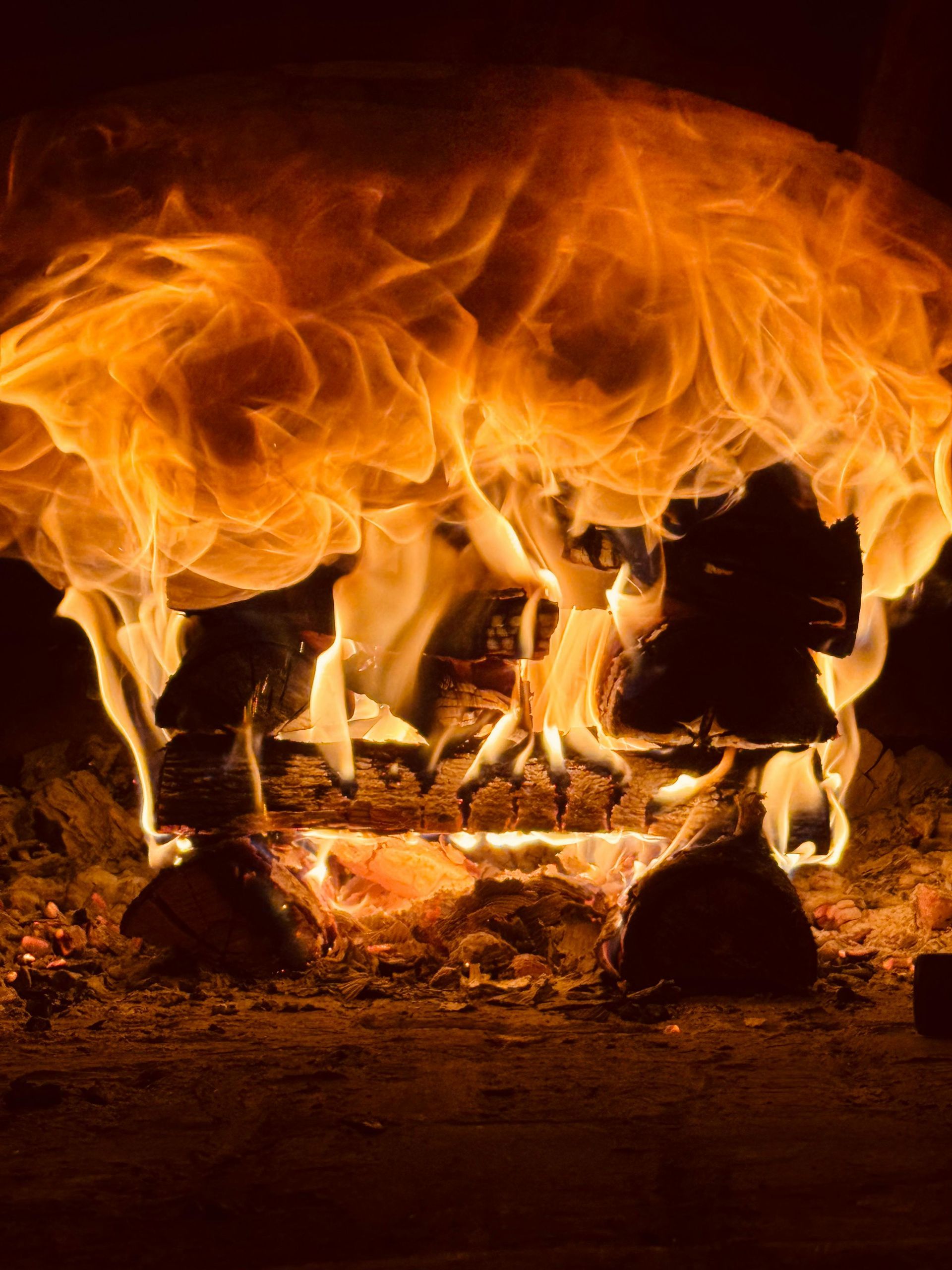
Bring Warmth and Character to Your Home
Wood Burning Fireplaces in Newcastle for homeowners building custom spaces or restoring traditional heating and ambiance
Doug Meyer installs and restores wood burning fireplaces that add lasting character and functional heat to your home. You may be building a new custom home and want a masonry fireplace as a focal point, or you own an older property where the existing fireplace has deteriorated to the point that the firebox is cracked, the damper no longer seals, or the throat is clogged with years of creosote buildup. A properly built wood burning fireplace includes a firebrick-lined firebox, a smoke shelf to prevent downdrafts, and a damper that opens and closes smoothly to control airflow and prevent heat loss when the fireplace is not in use.
Installation involves constructing the firebox with refractory materials rated to withstand direct flame contact, building the chimney to the correct height above the roofline for adequate draft, and ensuring clearances to framing and combustible materials meet current building codes. Restoration work addresses cracked masonry, failed mortar joints, and damaged flue liners that allow smoke and heat to escape into wall cavities. The fireplace is designed to draw air efficiently so smoke rises up the chimney instead of spilling into the room, which depends on proper throat dimensions and chimney height relative to roof pitch and nearby obstructions.
If you are planning a new build or your existing fireplace no longer functions safely, reach out to Doug Meyer for a consultation on construction or restoration that prioritizes both appearance and long-term usability.
Construction Standards and Restoration Scope
You begin with a site assessment to determine footing requirements, chimney placement, and whether the structure will support the weight of a full masonry chimney or if a metal flue system is more appropriate. Doug Meyer builds the firebox using firebrick and high-temperature mortar, installs a cast iron damper at the throat, and constructs the smoke chamber with smooth, sloped walls that guide smoke upward without turbulence. The chimney is topped with a cap that keeps rain and animals out while allowing smoke to exit freely.
After completion, you will have a fireplace that draws consistently, burns wood cleanly, and provides radiant heat that warms the room without back-puffing smoke when you open the doors or adjust the logs. The firebox will hold up to repeated heating cycles without cracking, and the damper will seal tightly when closed to prevent drafts during the off-season. Doug Meyer ensures the hearth extension meets code for ember protection and that the mantel and surrounding trim are installed at safe distances from the firebox opening.
Restoration includes repointing deteriorated mortar, replacing cracked firebrick, rebuilding the smoke shelf, and relining the flue if the existing clay tiles are broken or missing. The work does not include decorative stonework, mantel fabrication, or interior finishes beyond the functional masonry components required for safe operation.
What to Know Before Installing or Restoring a Wood Fireplace
Homeowners often want to understand the differences between masonry and prefabricated systems and what kind of upkeep a wood burning fireplace requires over time.
What makes a wood burning fireplace draft properly?
The chimney must extend at least two feet above the highest point where it passes through the roof and sit higher than any roof surface within ten feet, creating enough vertical rise to generate the pressure difference that pulls smoke upward.
How do you prevent smoke from entering the room when starting a fire?
You open the damper fully, warm the flue with a rolled newspaper held near the throat to establish an upward draft, and start with small, dry kindling that ignites quickly and produces minimal smoke during the initial burn.
Why does creosote build up inside the chimney?
Burning green or wet wood, smoldering fires with restricted airflow, and cool flue temperatures cause incomplete combustion that deposits sticky, flammable creosote on the chimney walls, requiring annual cleaning to prevent chimney fires.
Can a wood burning fireplace be used in Newcastle year-round?
You can burn wood whenever you want heat or ambiance, though Oklahoma's mild winters mean the fireplace is often used seasonally rather than as a primary heat source, and proper damper operation is critical to avoid cooling the home when not in use.
What are the signs that a fireplace needs restoration?
Look for crumbling mortar between bricks, cracks in the firebox floor or back wall, a damper that will not open or close completely, and water stains on the chimney exterior that indicate flashing failures or crown damage.
Doug Meyer builds and restores wood burning fireplaces with attention to structural integrity and safe operation, ensuring your fireplace performs reliably for decades. Schedule a consultation to discuss your project and confirm the scope of work required for a durable, functional result.